 Travel
Copenhagen 2026: Louisiana Museum, Glyptotek, Nyhavn — full guide
Par Gabriel Goldberg
18 August 2026
11 min read
Why Copenhagen and Denmark became the place to be: the Louisiana Museum on the Øresund, the Ny Carlsberg Glyptotek, Nyhavn, Strøget, the Royal Theatre and Christiania. A complete 2026 cultural guide.
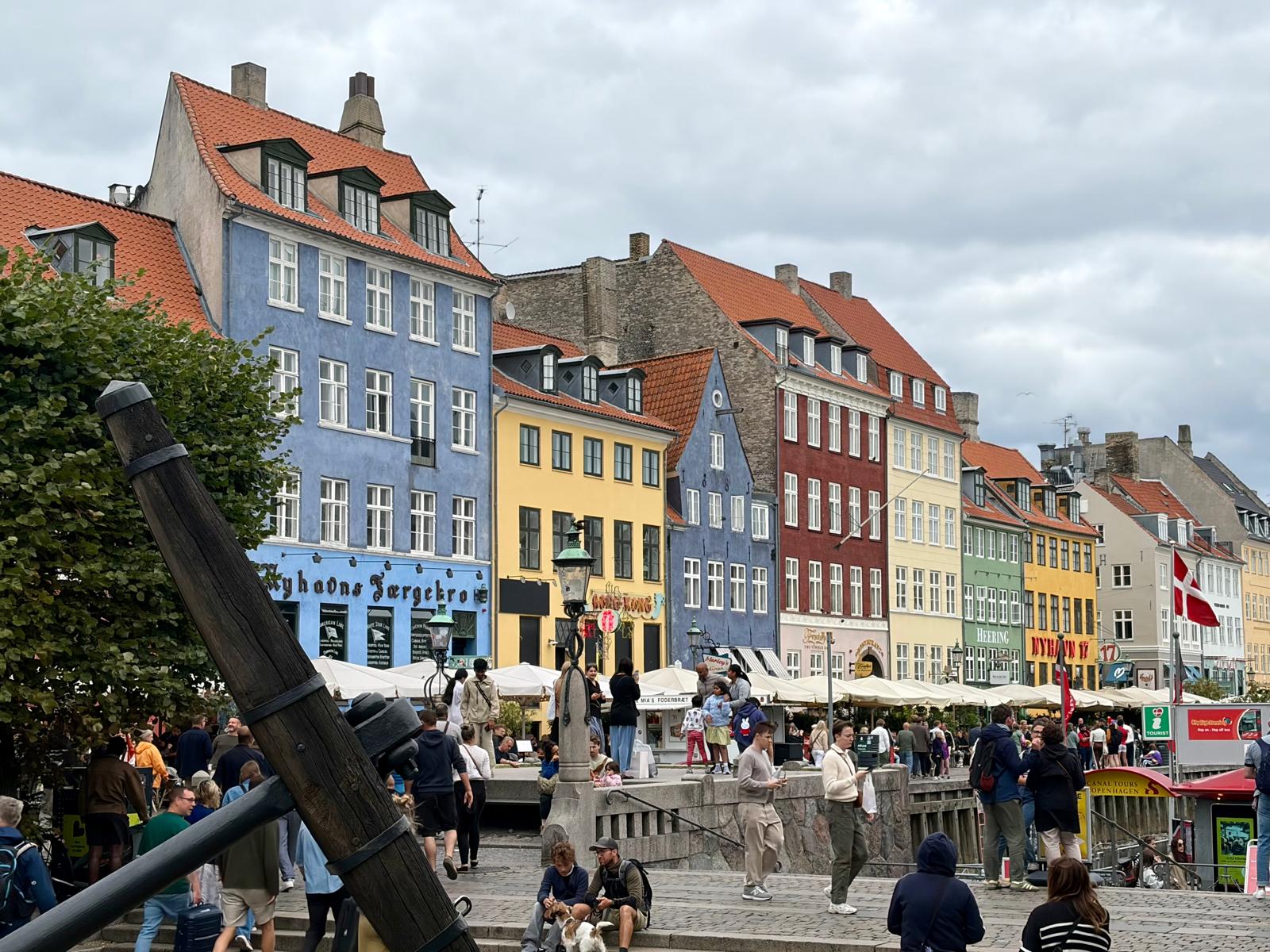
Some cities come and go in waves. Copenhagen simply never came back down. For a decade now the Danish capital has sat firmly at the top of the lists — "the place to be" — and the feeling is confirmed within hours of arriving: here, beauty is not an exception reserved for monuments, it is a manufacturing standard. A door handle, a park bench, a museum set on the edge of a strait: everything looks like it was designed by someone who genuinely loved the job. And it goes beyond the city — Denmark as a whole has become a major cultural destination , with the Louisiana Museum leading the way. The colourful facades of Nyhavn in Copenhagen — blue, yellow, brick red and green — lined up along the canal, terraces under white parasols, an old ship's mast in the foreground and crowds strolling the cobbled quay. Why Copenhagen became "the place to be" Four words: scale, design, food, trust . Scale first. Copenhagen has around 660,000 inhabitants within the city, a little over 1.4 million in the metropolitan area. It is a capital built to human proportions, where almost everything is done on foot or by bike — over 380 km of cycle lanes and a majority of commutes made on two wheels. You do not cross Copenhagen, you glide through it. Design next. Danish functionalism — Arne Jacobsen, Poul Henningsen, Finn Juhl, Verner Panton — is not a textbook chapter here: it is the café furniture, the living-room lamps, the waiting-room chairs. The city lives inside its own heritage, with no display case…