 Style
Style
Ethical meat: animal welfare, quality and nutrition
Par Gabriel Goldberg
23 September 2026
6 min read
Why animal welfare makes better meat, what meat gives your body (protein, iron, B12), its real carbon footprint, and how to choose it well.
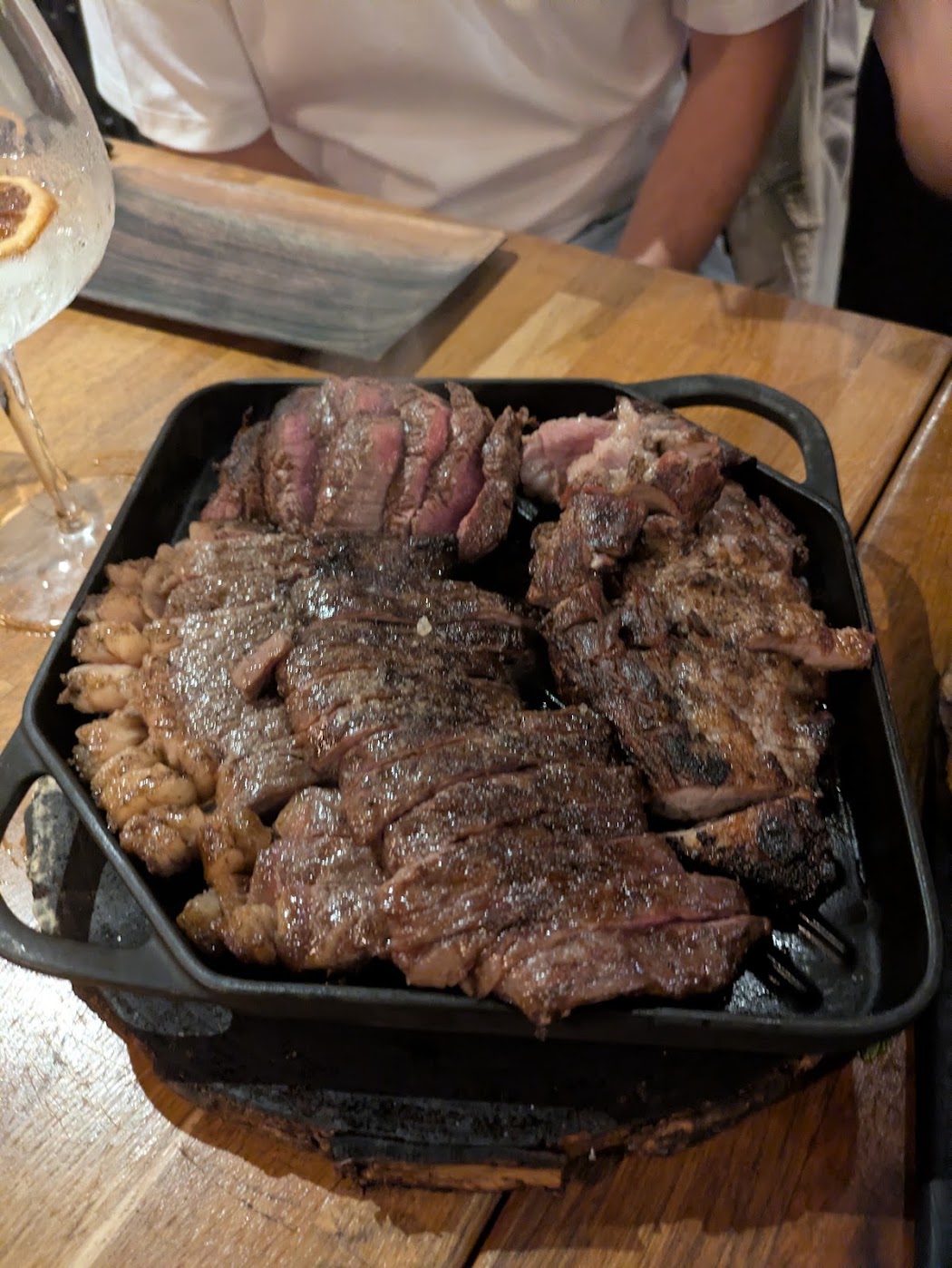
This week, three people told me, unprompted, that they no longer eat meat. I always ask why — not to argue, but to understand. Health? Animal welfare? Carbon footprint? Disgust? Taste? All three answers were different. The first simply no longer likes the taste. The second campaigns against the abuse of animals during transport and slaughter. The third thinks about his personal carbon footprint. I, on the other hand, really love meat. And these conversations convinced me that deep down we all want roughly the same thing: respect for the animal, for the planet and for what is on our plate. In short: quality meat starts with a well-treated animal. Respectful farming, short transport and stress-free slaughter give meat that is more tender, more flavourful and keeps better. Nutritionally, meat provides complete protein, highly absorbable heme iron, zinc and vitamin B12. Eating less but better — and choosing your sources — is the most positive way to love meat today. Cast-iron platter of seared and sliced beef cuts — Photo Gabriel Goldberg. 1. Three reasons, three forms of respect None of these reasons was absurd. Taste is personal. Outrage at mistreatment is shared by the vast majority of meat eaters: nobody wants a rib of beef born of suffering. And the climate question is real. This piece is not an answer against them; it is a conversation with them. My conviction is simple: ethics, animal welfare and quality must come first . Beyond moral duty, they are also the conditions for…