 Travel
Roman cooking at home: porchetta, supplì, coda alla vaccinara
Par Gabriel Goldberg
11 June 2026
11 min read
A complete guide to cooking three Roman dishes at home: Ariccia porchetta, supplì al telefono, coda alla vaccinara. History, techniques, variants.
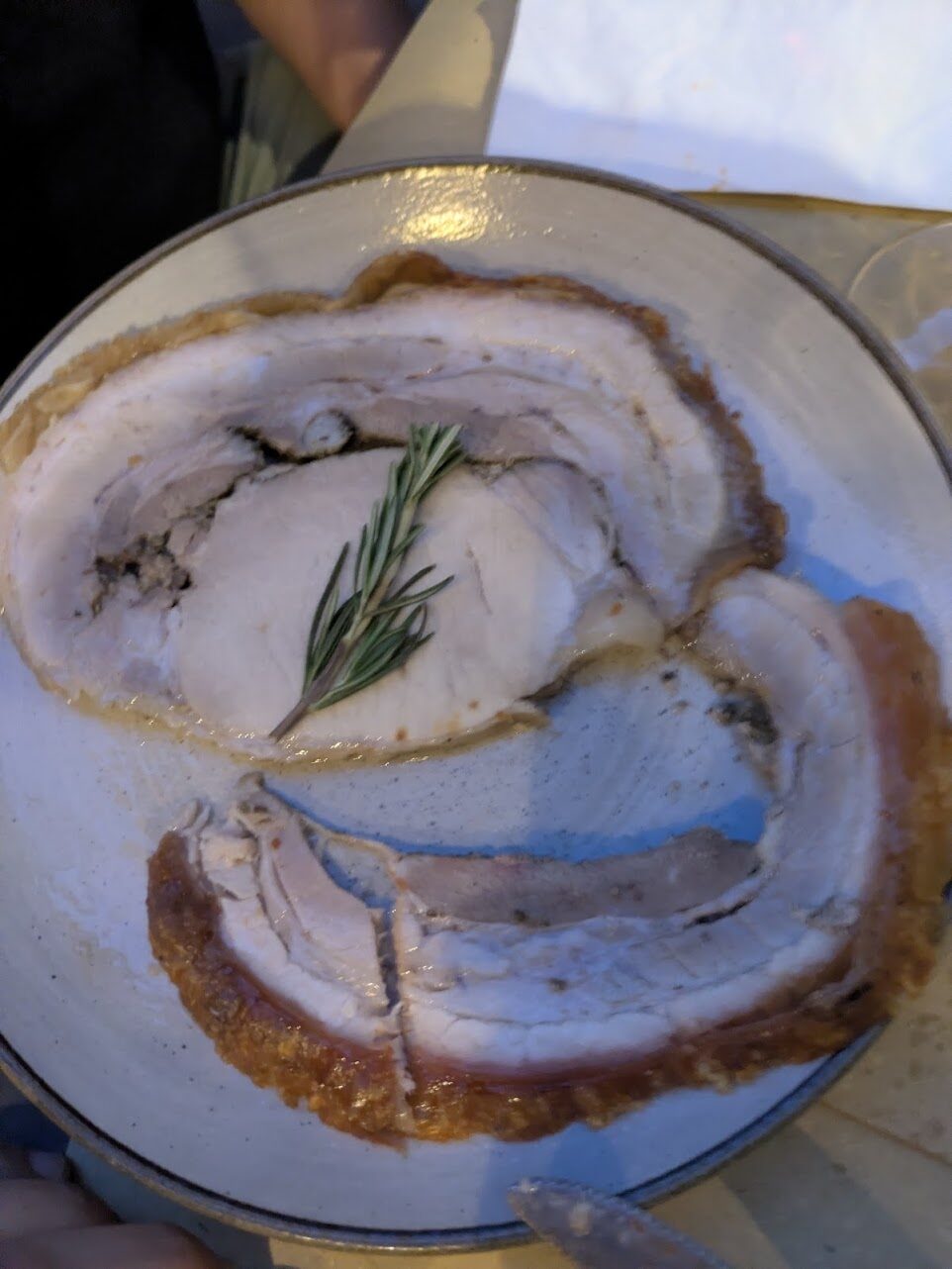
Three dishes. Three gestures. Three ways to understand Rome by mouth — and then bring it home to your own kitchen. After a week eating Rome without booking , I wanted to extend the experience differently: not by recounting what I had eaten, but by explaining how to make it again, for real, at home, without betraying it. I picked three dishes that, between them, summarise the grammar of Roman cooking: porchetta , because it tells you everything about Rome's relationship with pork and fire; supplì , because it tells you everything about Rome's relationship with frying and leftovers; coda alla vaccinara , because it tells you everything about Rome's relationship with the quinto quarto — the offal cuts that other cuisines throw away. Together, they cover the three flames of Roman cookery: the roasting spit, the oil bath, the long braise. Key takeaways Porchetta : a herb stuffing (rosemary, wild fennel, garlic, pepper, salt) rolled inside a boned pork belly or whole pig, slow-roasted until the skin shatters under the knife. Supplì al telefono : yesterday's ragù risotto, chilled, shaped around a core of mozzarella, breaded and fried at 175 °C; the "telephone" is the string of cheese that stretches when you break it open. Coda alla vaccinara : oxtail braised for six hours with celery, tomato, white wine, cloves, cinnamon, finished with bitter cocoa, raisins and pine nuts. The common thread: few ingredients, a lot of time, and an obsession with sapidità — that tension between fat,…