 Travel
Sicily: the great melting pot of Mediterranean civilizations
Par Gabriel Goldberg
21 April 2026
8 min read
Arab-Norman architecture, Byzantine mosaics, fusion cuisine: Sicily, the cultural laboratory of the Mediterranean told from Palermo to Cefalù.
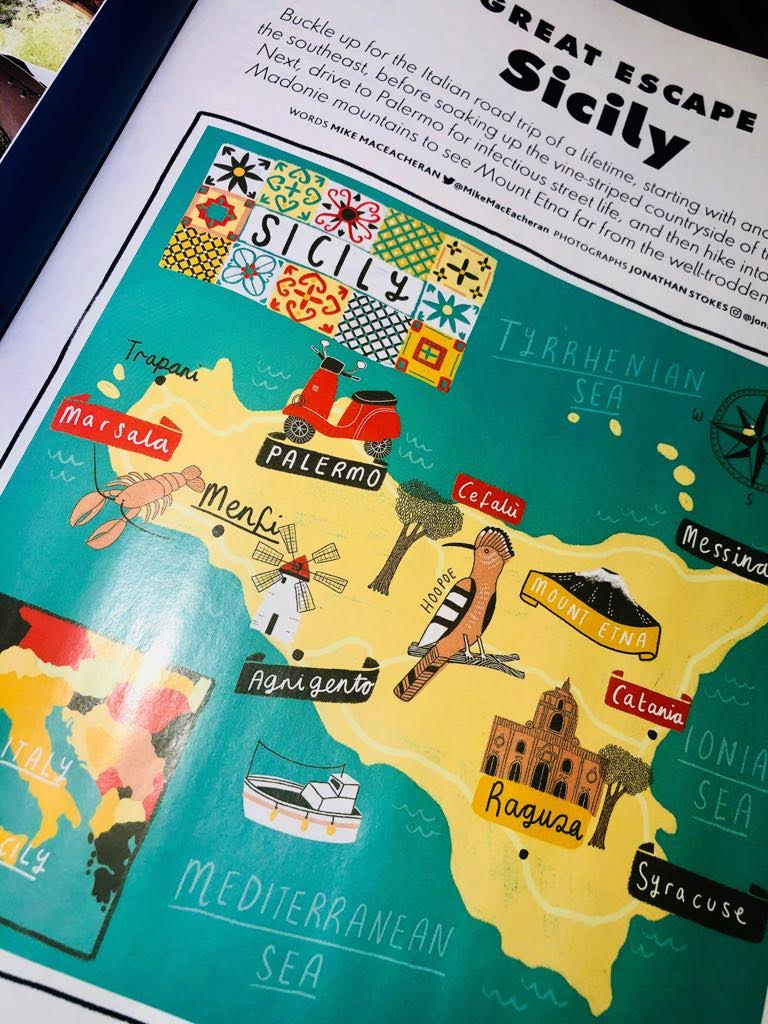
If there is one land in Europe that deserves the title of "cultural continent", it is Sicily. Planted in the middle of the Mediterranean, equidistant from Tunis and Rome, this 25,711 km² island has been, for three millennia, the object of all desires. Phoenicians, Greeks, Romans, Byzantines, Arabs, Normans, Swabians, Angevins, Aragonese, Spaniards, Bourbons — they all came. But more importantly, they all stayed. This is not mere coexistence: it is a melting pot unlike any other in the world. A fusion you can read on cathedral walls, feel in the organised chaos of Palermo's markets, and taste in a plate of fish couscous in Trapani. A journey into Sicilian DNA — one that flows naturally from our passionate Sicilian itinerary and our exploration of the baroque Val di Noto . Key takeaways Three millennia of conquests have made Sicily a unique melting pot in Europe. Arab-Norman art (11th-12th centuries) has been a UNESCO World Heritage Site since 2015. Sicilian cuisine is the direct legacy of the Arabs (citrus, sugar, rice, saffron) and coastal fishing. Palermo and Cefalù hold the absolute masterpieces of this cultural fusion. 1. Architecture: the Arab-Norman miracle The peak of this fusion takes place between 1130 and 1194, under the Norman kings of the Hauteville dynasty. Roger II, William I and William II called upon Arab architects, Byzantine mosaicists and Latin stonemasons to build their palaces and cathedrals. The result is a style with no equivalent in art history,…