 Style
Style
Why Minimalism Is Becoming a Luxury in 2026
Par Gabriel Goldberg
12 December 2025
5 min read
Fewer objects, more meaning. In 2026, minimalism is establishing itself as the new definition of luxury in Europe. Analysis, brands and trends.
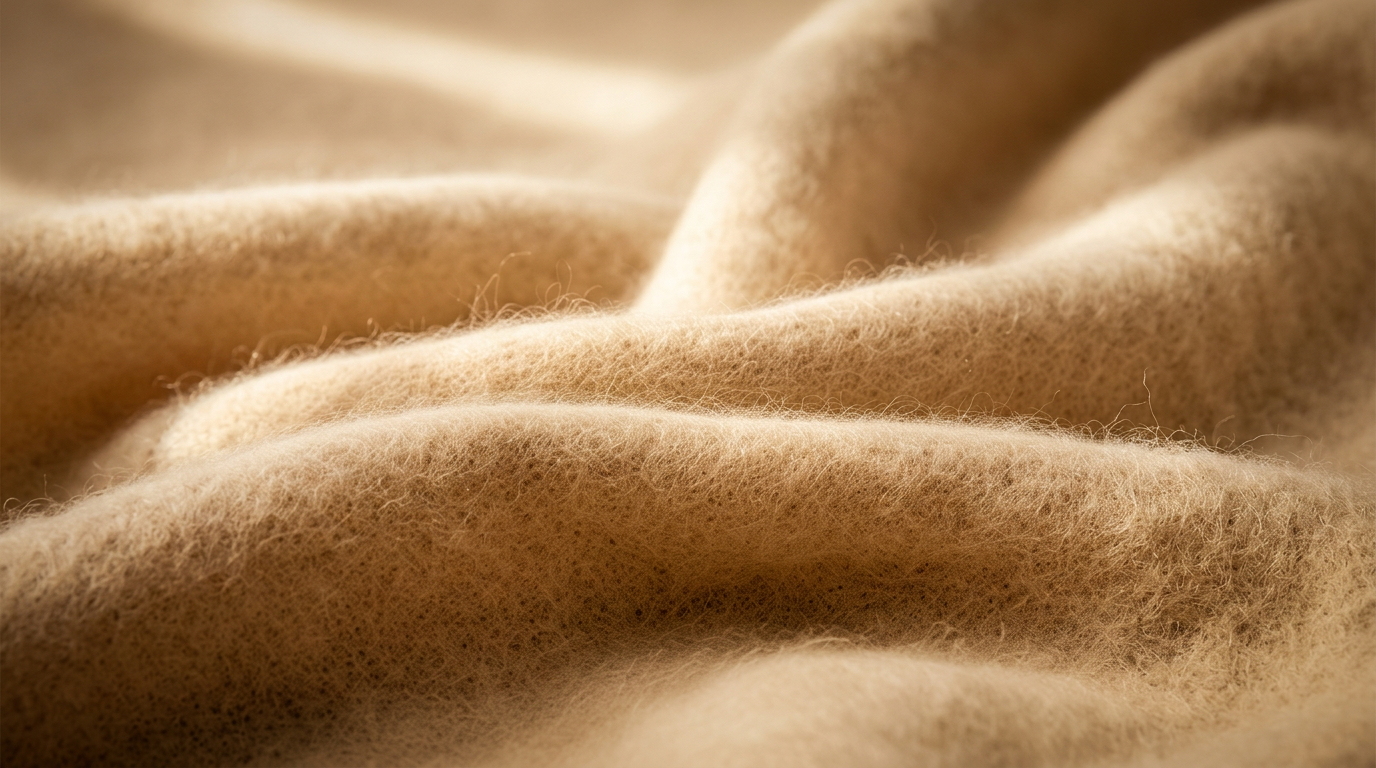
For over a decade, luxury expressed itself through excess. Visible logos, collections renewed at a frantic pace, omnipresent collaborations. Then something changed. Slowly. Silently. In 2026, luxury no longer seeks to be seen. It seeks to be felt. In a world saturated with images, notifications, and constant demands, minimalism emerges as an almost radical response. Not as a constraint, but as a form of emancipation. Luxury is no longer what you show. It's what you choose to keep. This transformation doesn't only concern fashion. It runs through architecture, design, mobility, travel, and even how we consume information. Minimalism is becoming a discreet, almost intimate social marker. Extra-fine merino wool: a fabric that tells a story The End of Ostentation as an Ideal For a long time, accumulation was synonymous with success. Own more, display more, renew more often. But this logic has progressively cracked. Inflation, climate crisis, collective mental fatigue. The "always more" has stopped inspiring dreams. New European generations don't reject luxury. They reject its noise. Minimalism becomes a way to regain control, to filter, to slow down. It's an act of silent resistance against the permanent escalation that characterizes our era. This evolution isn't a passing fashion phenomenon. It's part of a profound transformation of values. Possession gives way to experience. Quantity fades before quality. The ephemeral gives way to sustainability. Minimalism as Emotional Luxury…