 Travel
Zeebrugge: marina, epicureans & Visserskruis — Metis Maven
Par Gabriel Goldberg
27 May 2026
6 min read
Inside Zeebrugge: a contemporary marina, ’t Werfje’s shrimp croquettes, the Visserskruis and the Zeewijding. The quiet metamorphosis of a Belgian port.
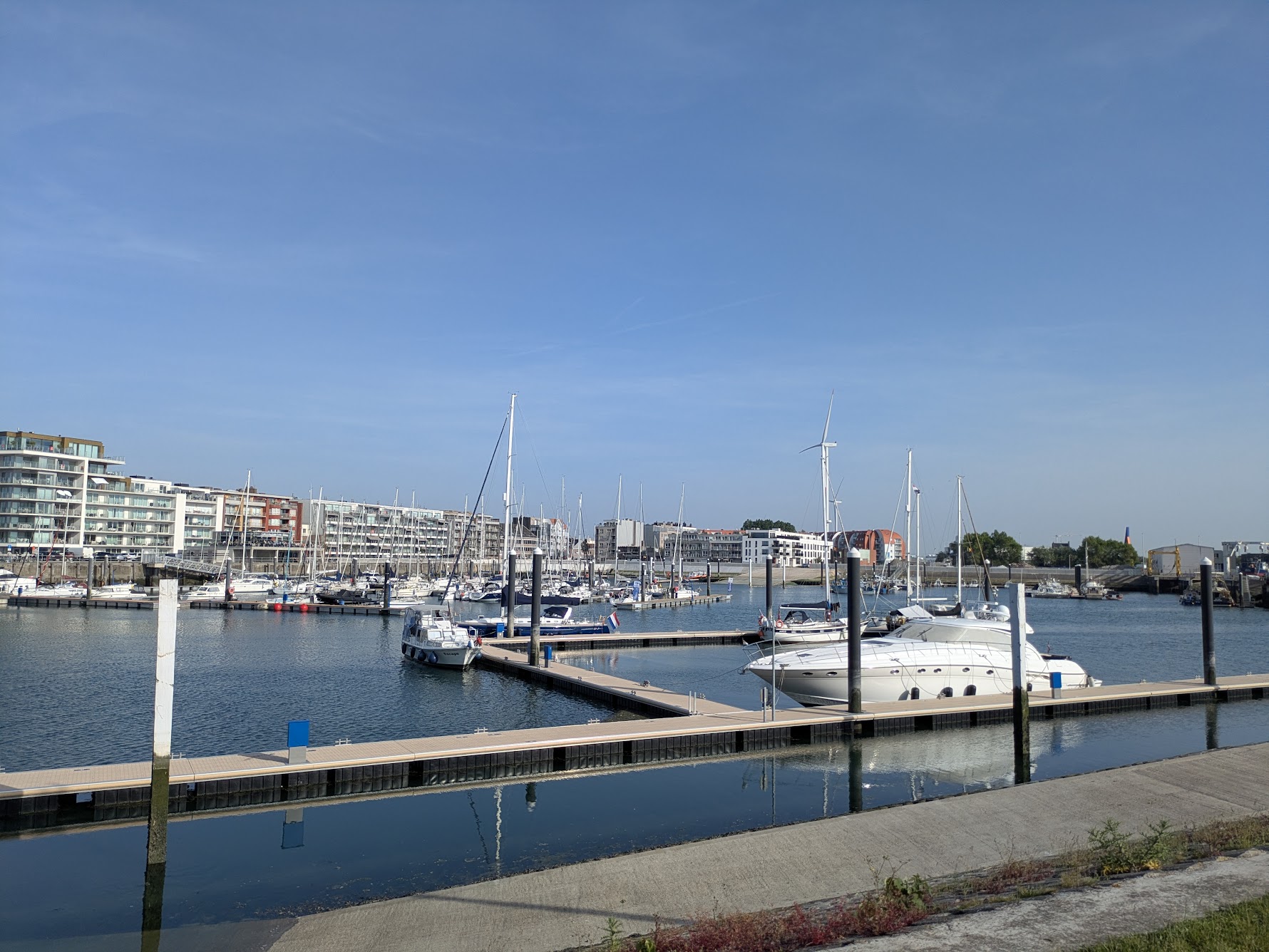
Forget your preconceptions about Belgium’s industrial coastal giant. In the shadow of its colossal cranes, Zeebrugge hides a quietly reborn residential village, a vibrant food scene and a poignant history facing England and the open sea. There are two Zeebrugges. The first jumps out at any traveller approaching the coast: a forest of metal, a logistical cathedral where colossal cranes unload container ships from across the world. This is the port inaugurated by Leopold II in 1907, the iron giant connected to Antwerp and Rotterdam, the vital artery feeding Europe. But there is a second Zeebrugge. More discreet, almost secret. To find it, you must walk past the freight quays, follow the old basins and let the noise of diesel engines fade behind the crystalline clinking of halyards tapping the masts of sailing boats. There, facing the silent marina, the magic happens. Zeebrugge is no longer the rough fishing port one left as soon as the shift was over. It has become one of the most coveted residential refuges of the North Sea — a northern cousin of the discreet villages we love to wander just across the border, in Groede . A place of oxymorons, where the memory of those lost at sea sits beside a new, quieter art of living. 1. ’t Werfje: where it all began The terrace of ’t Werfje, heir to the harbour bistro founded in 1905, now overlooks the Royal Belgian Sailing Club’s pontoons. If you want to feel the pulse of Zeebrugge, don’t look for a museum. Book a table. The air tastes of…